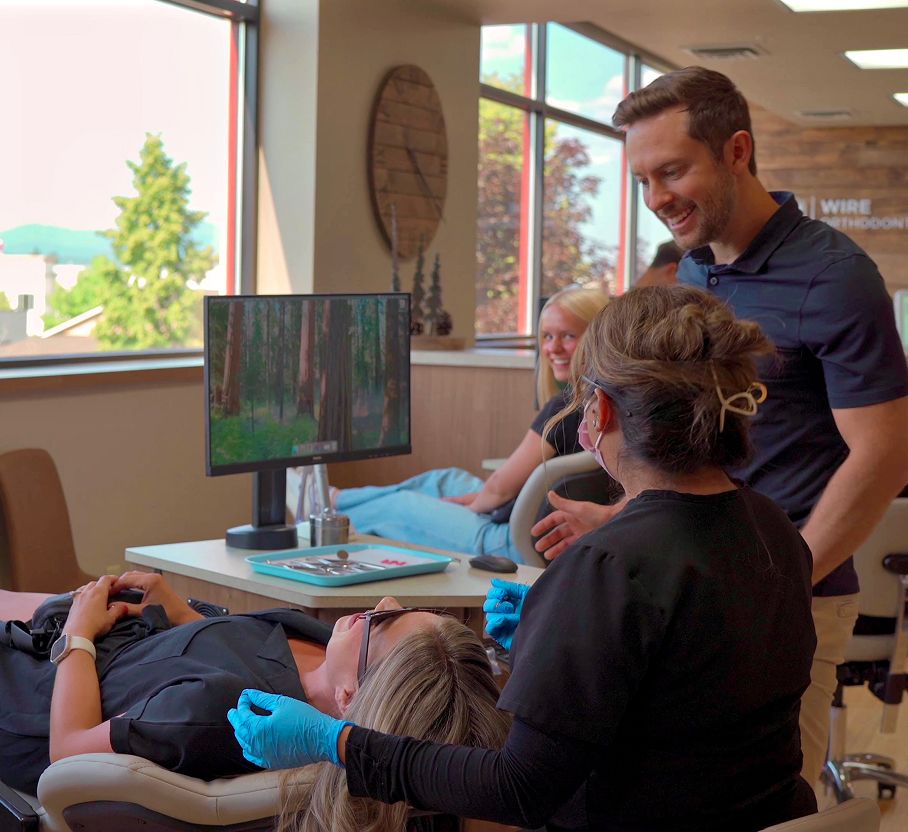
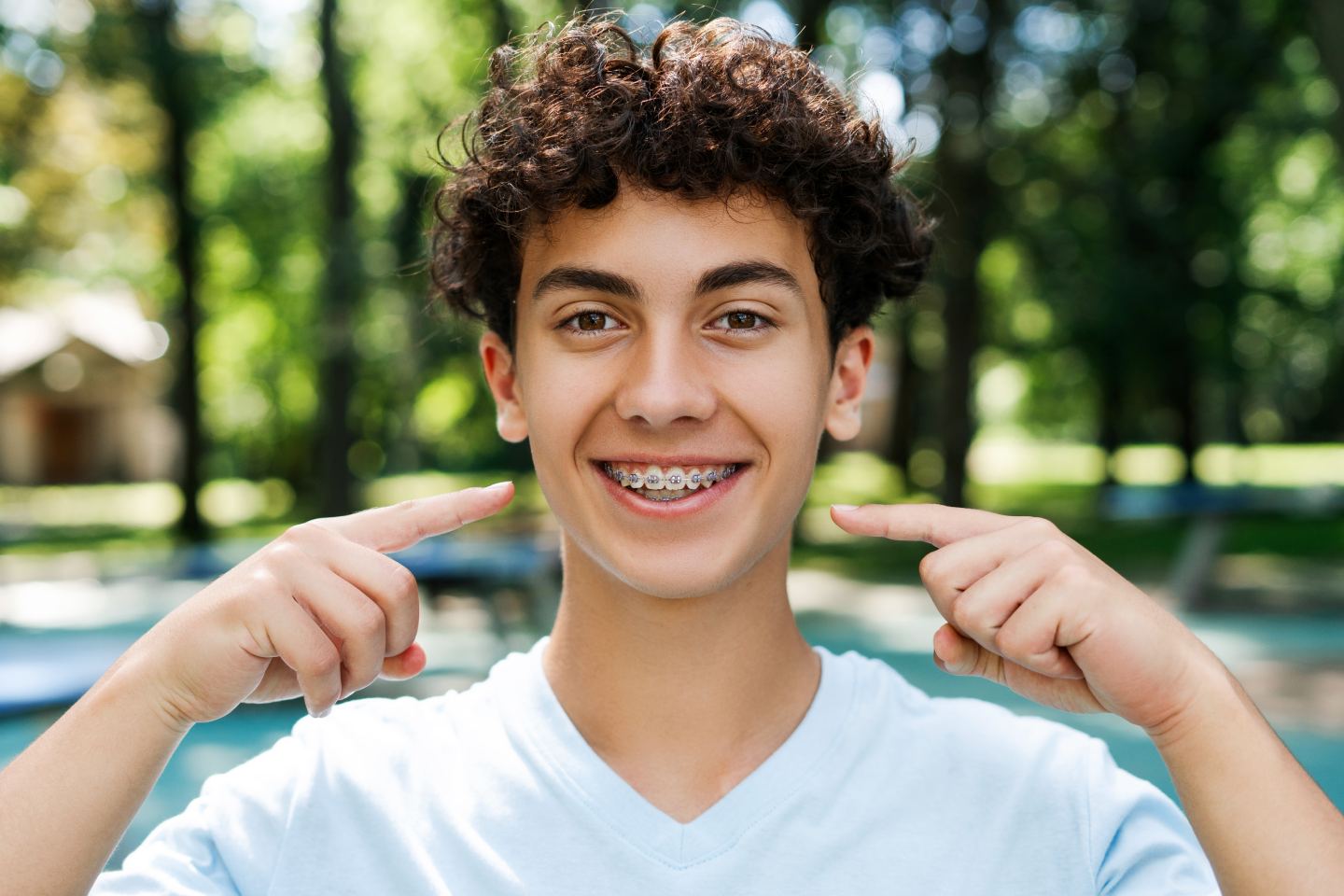
Getting braces is a meaningful step toward a healthier, straighter smile, and knowing what happens at each stage makes the experience far less intimidating. At Wire Orthodontics, our family-owned practice walks you through every appointment so you feel informed and confident. This step-by-step guide to what to expect when getting braces covers everything from your first visit to your final reveal.
What Are Braces and How Do They Straighten Teeth?
Braces are orthodontic appliances made of small brackets bonded to each tooth, a thin archwire that connects them, and elastic bands that hold everything in place. They work by applying steady, gentle pressure that gradually shifts teeth into proper alignment over months of treatment. Traditional braces remain the most common and dependable option in orthodontic care.
The archwire is the guiding force behind the movement. Dr. Wire adjusts and tightens it at scheduled visits, slowly directing each tooth toward its ideal position. Because the pressure is consistent and controlled, the bone around the roots remodels to support the new placement.
Braces correct many issues, including crowded teeth, noticeable gaps, rotated teeth, and bite problems like overbites, underbites, and crossbites. Whether the concern is cosmetic, functional, or both, braces deliver predictable results across simple and complex cases alike.
The Braces Process Step-by-Step in Spokane: From Consultation to Debonding
The braces process follows six clear steps. It starts with a free consultation that includes an exam and X-rays. Next comes any pre-treatment preparation. Bonding day is when the brackets and archwire are placed. You’ll then move through an adjustment period in the first weeks, followed by regular tightening visits every 4 to 8 weeks. The final debonding day is when braces come off. Most patients in the Spokane area complete treatment in 12 to 24 months.
What Happens at the Initial Consultation?
Your first visit at Wire Orthodontics includes a thorough exam, digital X-rays, and photos of your teeth and bite. Dr. Clint Wire, a board-certified orthodontist, reviews your records and discusses your goals before building a treatment plan suited to you. You’ll learn what type of braces fit your case, how long treatment should take, and what to expect financially.
How Do You Prepare for Braces?
Some patients need a few preparatory steps before bonding day. This might include a dental cleaning, addressing cavities with your general dentist, or removing baby teeth to make room for permanent ones. In certain cases, separators are placed between back teeth a week before bonding to create space for bands.
What Happens on Bonding Day?
Bonding day is when your braces are placed. Dr. Wire cleans and lightly etches each tooth, then bonds the brackets using a special dental adhesive. Once the brackets are set, the archwire is threaded through and secured with small elastic ties. The appointment usually takes about an hour to ninety minutes, and there are no shots or drilling involved.
What Are the First Few Weeks Like?
The first week or two with braces takes some getting used to. Teeth may feel tender as they begin to shift, and your lips and cheeks adjust to the new hardware. Soft foods, orthodontic wax, and over-the-counter pain relievers help during this short adjustment phase. Most patients feel completely comfortable within a couple of weeks.
What Happens at Regular Adjustment Appointments?
You’ll return to our family-owned practice every 4 to 8 weeks for adjustments. Dr. Wire checks progress, changes the archwire when needed, replaces elastic ties, and makes refinements that keep your teeth moving on schedule. These visits are typically quick, and you’ll see Dr. Wire at every visit.
What Happens During Mid-Treatment Checks and Debonding Day?
As you near the end of treatment, Dr. Wire performs detail work to fine-tune your bite and smile. On debonding day, brackets are gently removed, any adhesive is polished away, and you see your new smile for the first time. A retainer is then fitted to protect your beautiful new alignment.
Benefits of Getting Braces
Braces do far more than improve appearance. They deliver three main benefits: cleaner, easier-to-maintain teeth, reduced wear on enamel and jaw joints, and more efficient chewing along with clearer speech. Many patients across the Spokane area notice the cosmetic change first, but the long-term health benefits are just as meaningful. Here’s a quick look at what braces offer:
- Cleaner teeth: Straighter teeth are easier to brush and floss, which lowers your risk of cavities and gum disease over a lifetime.
- Reduced wear: A properly aligned bite reduces uneven wear on tooth enamel and eases strain on the jaw joints.
- Better chewing and speech: Chewing becomes more efficient, and certain speech concerns tied to tooth position can also improve.
How Do Braces Improve Long-Term Oral Health?
The straighter your teeth, the easier they are to clean, which protects against decay and gum problems for years to come. A balanced bite also lessens headaches, jaw soreness, and the kind of chronic clenching that wears teeth down prematurely. These quiet, lasting gains often matter more than the visible change in the mirror.
Are Braces Right for Complex Cases?
Braces are a proven, predictable option for cases ranging from mild crowding to significant bite corrections. For patients who want a confident smile they’ll love and the lasting oral health that comes with it, traditional braces remain one of the most reliable forms of orthodontic care available. Even rotated teeth and severe alignment problems respond well to the steady force braces provide.
Traditional Braces vs. Invisalign: Which Is Right for You?
Both traditional braces and Invisalign produce excellent outcomes, but they suit different lifestyles and clinical situations. Wire Orthodontics, serving patients across the Spokane area, is a certified Invisalign provider, and Dr. Wire helps each patient choose the option that fits their case and preferences.
| Feature | Traditional Braces | Invisalign |
|---|---|---|
| Appearance | Visible metal brackets and wires | Clear, nearly invisible aligners |
| Removability | Fixed to teeth 24/7 | Removable for eating and cleaning |
| Diet | Avoid hard, sticky, and chewy foods | No food restrictions |
| Cleaning | Requires extra care around brackets | Brush and floss normally |
| Best For | Complex cases, all ages | Mild to moderate cases, motivated patients |
| Compliance | Always working | Requires 20-22 hours of wear daily |
Traditional braces handle complex tooth movements, severe bite corrections, and rotations more reliably because they apply continuous force without depending on patient compliance. Invisalign offers a discreet, convenient solution that’s especially popular with teens and adults who want flexibility during treatment.
Cost Factors for Braces Treatment
The cost of braces depends on several factors: the complexity of your case, the length of treatment, the type of braces chosen, your insurance coverage, and available payment plans. A straightforward case costs less than one requiring extended care or specialty appliances. Wire Orthodontics provides a personalized estimate at your free consultation so you know the full investment before treatment begins.
Case complexity is the main factor. Mild crowding treated in 12 months costs less than a complex bite correction that takes two years. The type of braces also matters, as ceramic or specialty brackets typically cost more than standard metal options. Families across the Spokane area often find that planning around these variables makes budgeting much easier.
Many dental insurance plans include orthodontic benefits that cover a portion of treatment, particularly for patients under 19. Flexible spending accounts and health savings accounts can also offset out-of-pocket costs. Wire Orthodontics offers payment plans designed to make treatment manageable for families, breaking the total into predictable monthly payments.
At your free consultation, you’ll receive a clear, personalized cost estimate with all available financing options explained. There are no surprise charges along the way.
Who Is a Good Candidate for Braces?
Most people with crowded, gapped, rotated, or misaligned teeth are good candidates for braces. Children, teens, and adults throughout the Spokane area all benefit from orthodontic care, and there’s no upper age limit as long as the teeth and gums are healthy. Bite issues like overbites, underbites, open bites, and crossbites also respond well to braces.
Good candidates are willing to maintain solid oral hygiene during treatment and keep their scheduled adjustment appointments. Brushing thoroughly around brackets, flossing daily, and avoiding foods that can damage braces all contribute to staying on track.
For children, the American Association of Orthodontists recommends an initial orthodontic evaluation by age 7. Early evaluation lets Dr. Wire monitor jaw growth and decide whether phase one treatment or later complete care is the right path. An in-person orthodontic exam is the only way to confirm the best approach for your specific case.
Frequently Asked Questions About Getting Braces
How long does braces treatment take?
Most patients wear braces for 12 to 24 months, though some cases finish sooner and complex cases may take a bit longer. Treatment length depends on the severity of the issue being corrected, how teeth respond to movement, and consistency with appointments. Dr. Wire will give you a personalized timeline at your free consultation.
Does getting braces hurt?
Placing braces doesn’t involve shots or drilling, so bonding day itself is comfortable. You’ll likely feel soreness and tooth tenderness for several days after braces are placed and after each adjustment as your teeth begin to shift. Over-the-counter pain relievers, soft foods, and orthodontic wax help manage the temporary discomfort.
What foods should I avoid with braces?
Skip hard, sticky, and chewy foods that can break brackets or bend wires. That includes popcorn, ice, hard candy, caramels, gum, nuts, and crunchy raw vegetables like whole carrots. Cut apples and other firm foods into small pieces, and stick with braces-friendly options like pasta, soft fruits, yogurt, eggs, and tender proteins.
How do I clean my teeth with braces?
Brush after every meal using a soft-bristled toothbrush, angling around brackets and along the gumline. Floss daily with a floss threader, orthodontic flosser, or water flosser to clean between teeth and under the wire. An interdental brush helps remove food trapped around brackets, and regular dental cleanings remain essential.
How often are adjustment appointments?
Most patients return every 4 to 8 weeks for adjustments. Dr. Wire checks progress, changes or tightens the archwire, and replaces elastic ties as needed. These appointments are typically short, and consistency is one of the biggest factors in finishing treatment on schedule. To learn which orthodontic care option is right for you, you can schedule a free consultation at Wire Orthodontics and meet with Dr. Wire and our dedicated team, who provide patient focused care every step of the way.
What happens on debonding day and do I need a retainer?
On debonding day, Dr. Wire gently removes each bracket, polishes off any remaining adhesive, and reveals your new smile. Yes, a retainer is essential afterward. Teeth naturally try to shift back toward their original positions, and wearing your retainer as prescribed protects the amazing results you worked for.